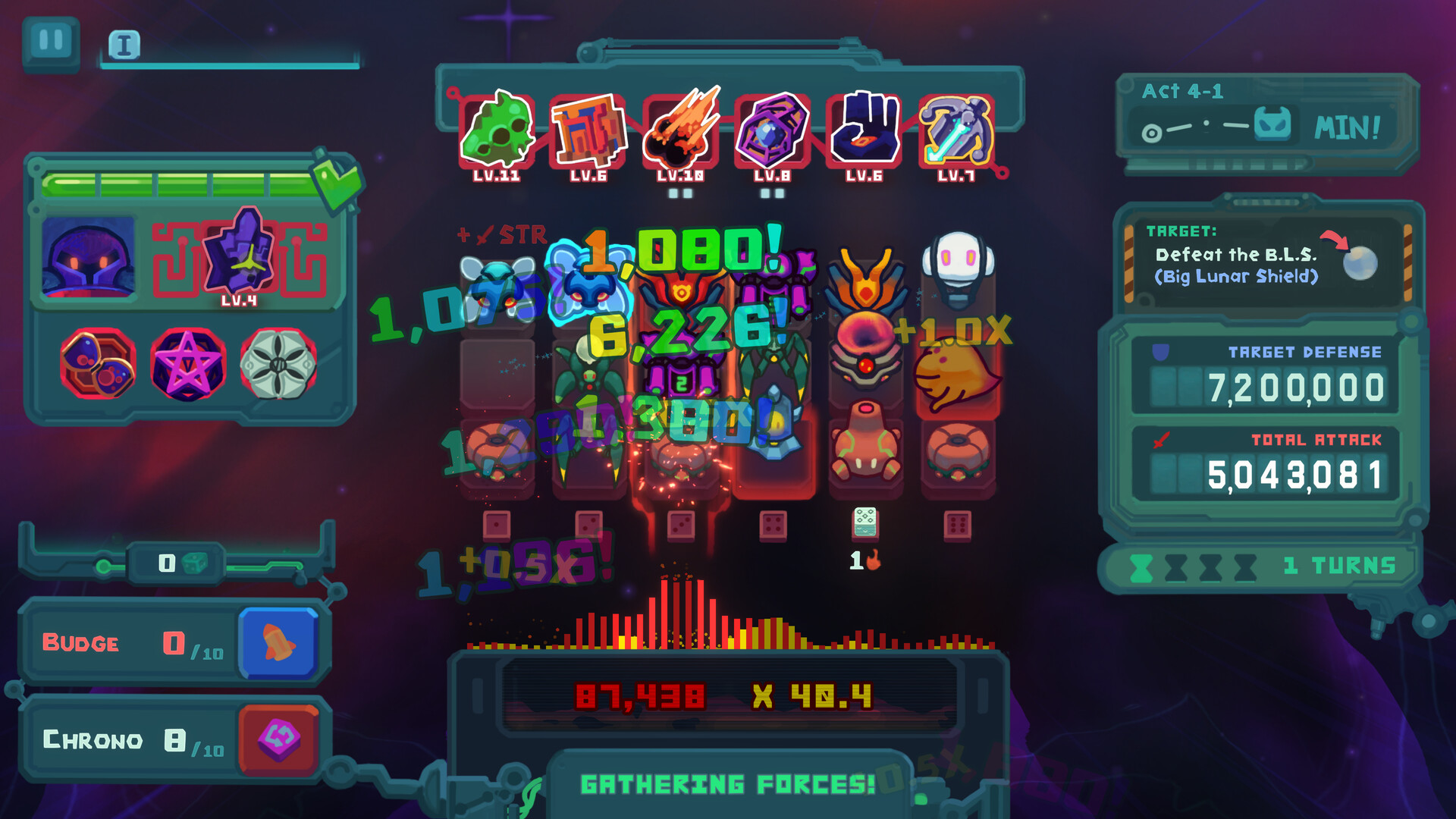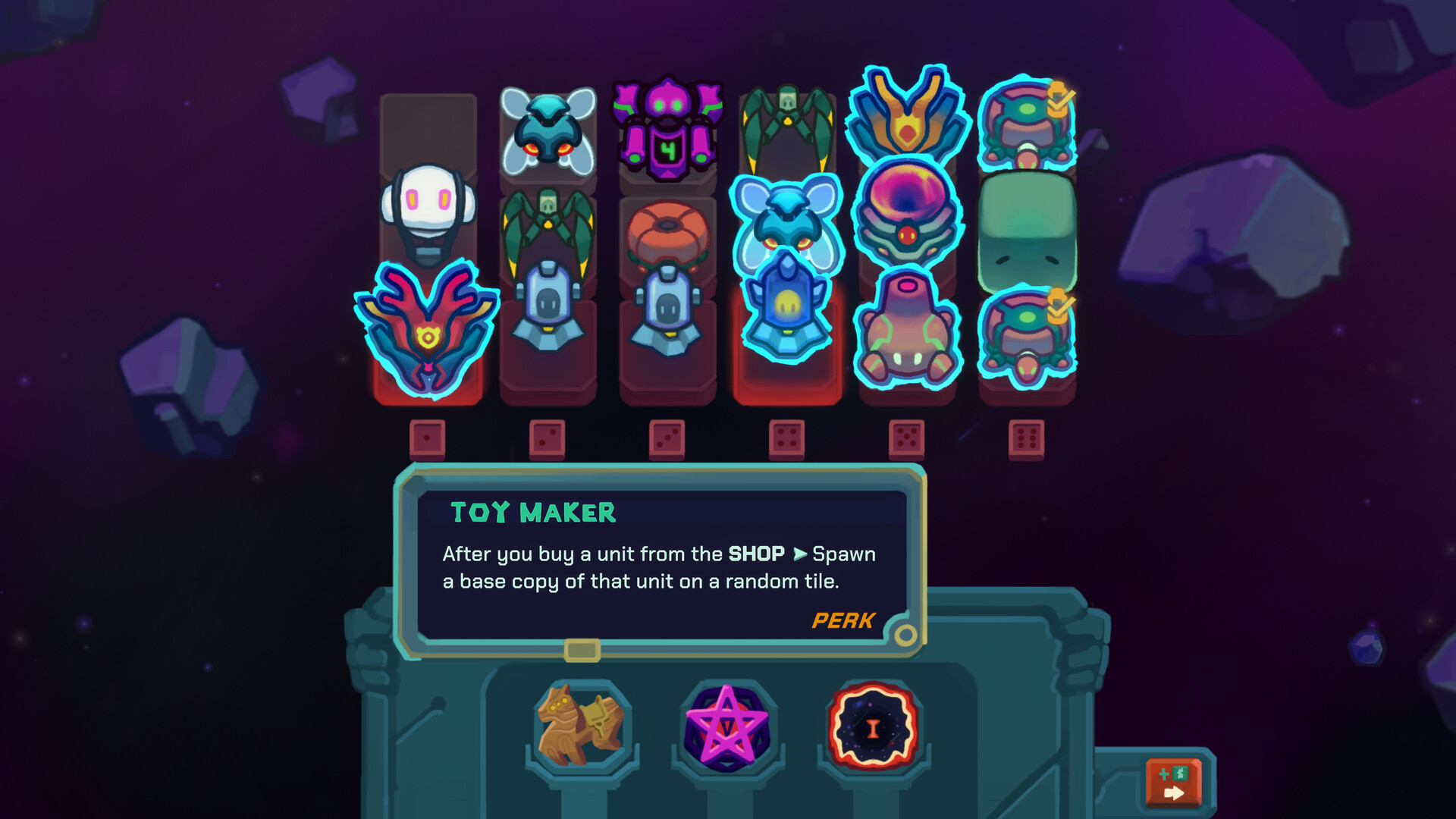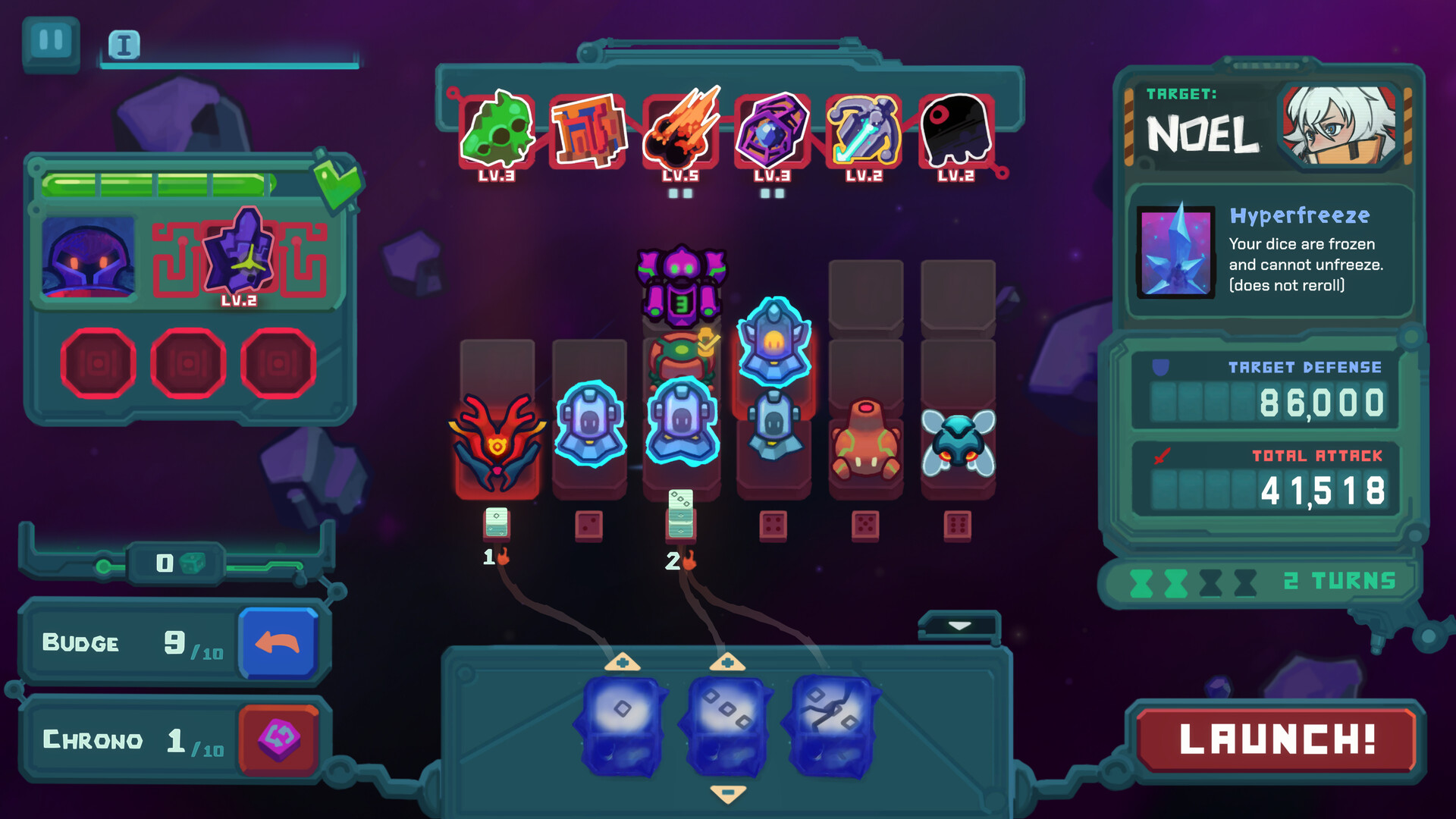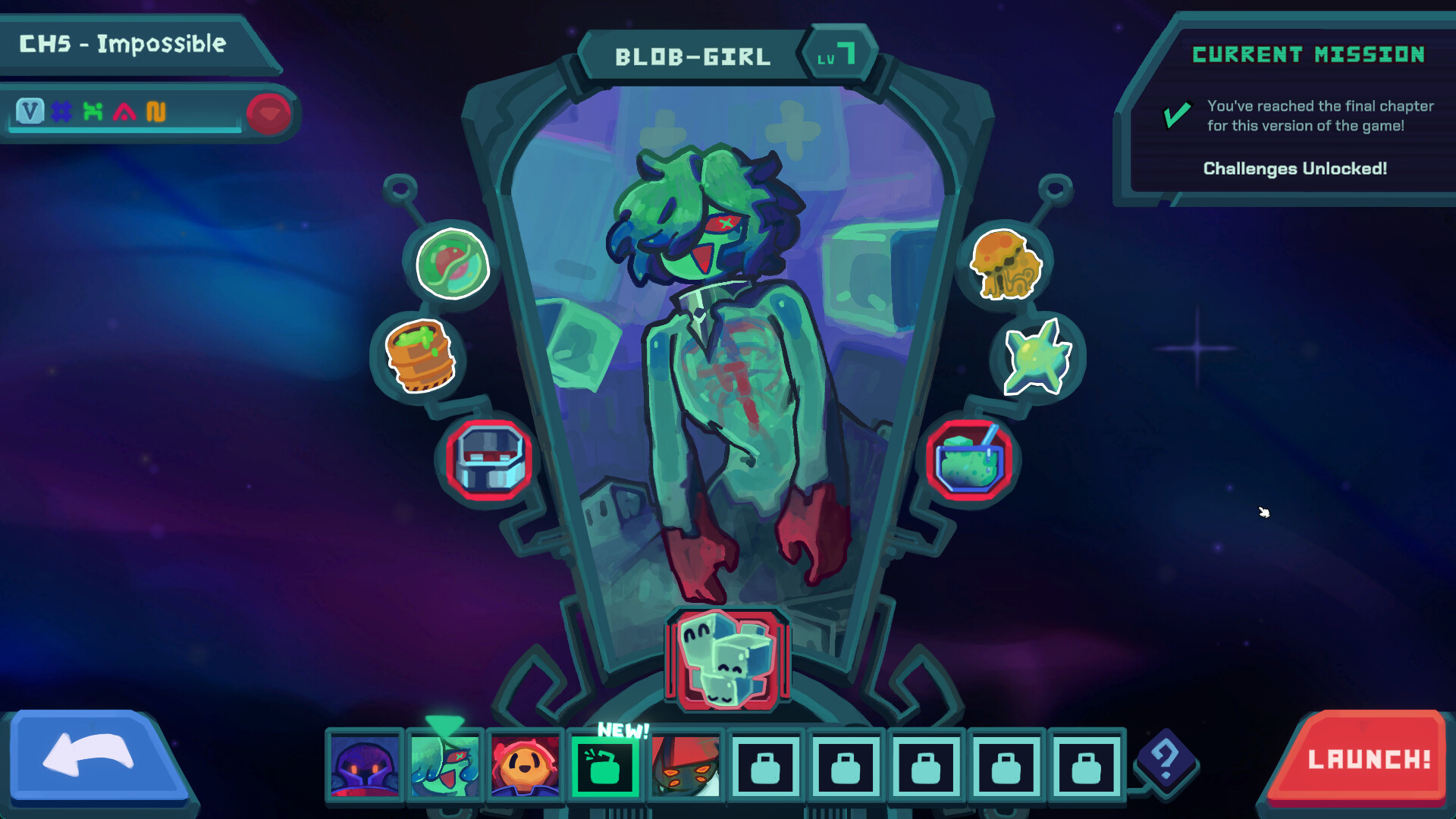
Pick the action you want to build around
The ten commanders change how you generate value, not just which portrait appears beside the army. Start by choosing an action you can consistently perform: pairs, Mini-Dice scores, Rift launches, non-Token deaths or artifact level-ups. Then buy units and artifacts that reward that action. A commander with an appealing ceiling can still be awkward if you spend the early shops supporting a different engine.
The starting effects and examples below come from Pengonauts' launch spotlights. Listed amounts describe those ordinary announced effects; artifact levels and variants can change their values. The suggested purchases and cautions are strategy recommendations, rather than a ranking based on controlled win-rate tests. Use the current in-game tooltip when deciding whether an offer fits your run.
| Commander | Starting direction | Main decision |
|---|---|---|
| Captain | Budge and pairs | Make a match earn both score and growth |
| Blob Girl | Mini-Dice and column XP | Add a useful payoff before flooding the board |
| Core | Kraken Die | Exploit the column and matching opportunities it creates |
| Riftmaker | Rift launches | Turn special rolls and Chrono spending into value |
| Whisperer | Apples and destruction | Keep a useful death loop working |
| Duchess | Chess units and spawns | Use the extra row and protect productive pieces |
| Exalted | Triples and level-up triggers | Watch artifact eligibility as levels rise |
| Hex Prince | Honey | Connect collection with income, XP and dice |
| Blood Beast | Rage from non-Token deaths | Prepare for automatic dice in BEAST MODE |
| Overseer | Two commanders' starting kits | Combine compatible engines before defense outruns them |
Captain: deliberate matches and Budge
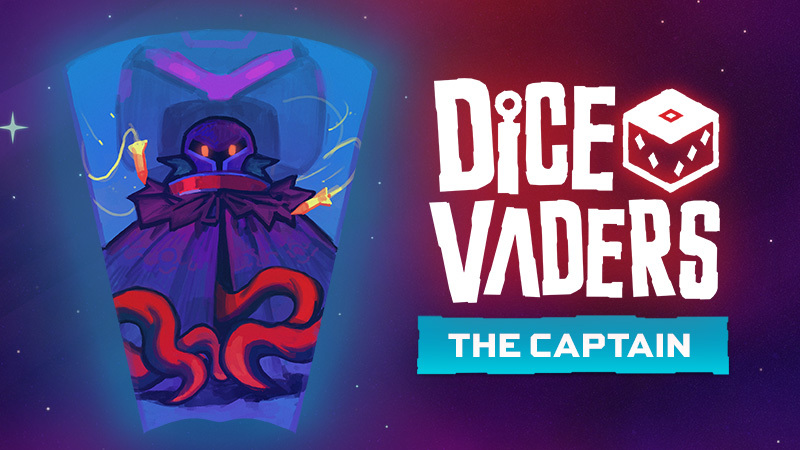
Mothership adds one Budge at turn start and awards 10 XP to the artifact in a column when you score a pair there. This creates a straightforward learning loop: aim for a productive column, improve its artifact and make the next useful pair easier to afford. Before moving a die, check whether the pair reaches meaningful units as well as the artifact.
Several associated effects deepen that loop. Bunker adds turn-start Mult according to stockpiled Budge. Rocket Ship links Budge to random unit strength; check its current tooltip for the exact Budge event, because published descriptions differ. Wings of Fury rewards a column pair with Mult and can spend Budge to level its artifact instantly. Monocle makes a lone Base Die count as a pair, while Torpedo allows Budge to wrap between six and one. Sky Arbiter doubles starting effects.
The practical choice is between spending Budge for a current trigger and retaining it for a payoff that rewards the stockpile. Decide from the board you have, rather than assuming all saved Budge is valuable. Captain is a useful first commander for learning precise corrections; he still needs strength and Mult that keep pace with later targets.
Blob Girl: more dice, more artifact growth

Blob Girl's starting perk, Amalgram, supplies three Mini-Dice at turn start. A Mini-Die scoring a column gives its artifact two XP. This makes broad column coverage useful, but coverage needs something worth activating. Buying a payoff that receives frequent XP can matter more than simply filling another tile.
Spiky Gel gives a random unit five STR for each Mini-Die received. Acid Town responds to Mini-Dice scoring its column by scoring a unit in another column. Oozone adds Dice Power to Mini-Dice in its column. Mycelium improves three units after Base Dice, and Slusho Max provides a Mult payoff linked to your Mini-Dice. Together these offer several directions rather than one compulsory shopping list.
Blob Cutter grants extra Mini-Dice power but restricts them to faces one, two and three. Treat that as a relocation decision. The perk can improve a prepared engine and weaken one whose key columns are outside its range. The Mini-Dice build guide explains how to diagnose that problem before replacing useful pieces.
Core: build around the Kraken Die

From the Deep provides a special Kraken Die and gives 10 XP to the artifact in its column when launched. Watch where that die directs value and place an artifact that can use the repeated XP. A complicated match is useful only if its column contains a payoff that makes the extra control worthwhile.
Dread Knot grants 150 STR to all units after a quadruple. Rib Cannon provides Budge and Mult when the Kraken scores its column. Hydra Head adds another Kraken Die. Bone Eater improves the bottom unit's strength when the Kraken is launched in that column, while Cavities supplies strength during the Kraken's scoring. Lone Dragon adds Dice Power when the Kraken is alone in its column.
Those effects pull in different directions: matching more dice supports a quadruple payoff, while Lone Dragon rewards isolation. Choose according to the pieces you own. Do not spend toward a quadruple just because Core can create unusual rolls when the more reliable solo activation currently supplies the missing growth.
Riftmaker: special faces and resource feedback
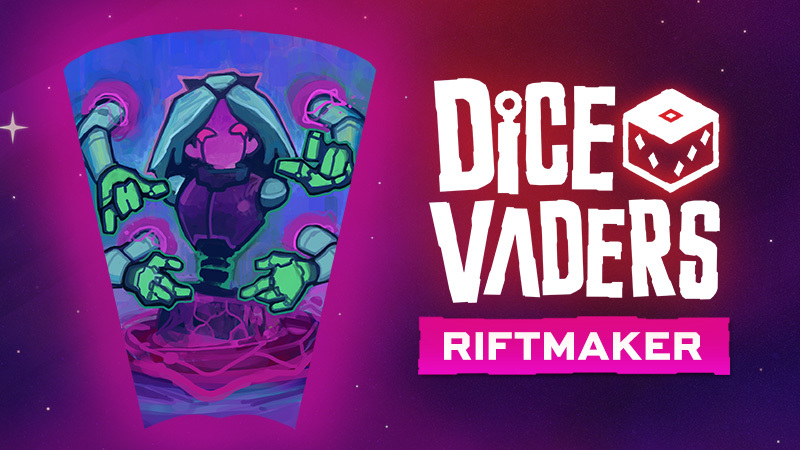
The Rift face counts as an extra die in columns already occupied by dice. Launching a Rift gives Chrono and artifact XP, so her opening can create both shop access and growth. Think about which columns the ordinary dice select before evaluating the Rift's value; it strengthens an existing distribution rather than makes every empty column productive.
Eon Moss rewards spent Chrono with Mult and temporary shop rarity. Cyclotron can turn a Base Die scoring its column into another roll, Budge and Mini-Dice. Rift Nova improves Rift Dice Power. Gamma Ray triggers an artifact when a Rift rolls, Timeblock supplies a shield and strength, and Mass Relay combines Rift rerolls with a larger payoff for triple Rifts.
These effects can give a resource expenditure several jobs. A Chrono spent browsing may also contribute to an associated payoff, but it still needs an affordable shop result or another useful consequence. Keep enough control for the coming fight. A resource feedback engine is easier to use when you understand where its new resources will go.
Whisperer: Apples, Tokens and controlled destruction

Frugivore spawns an Apple on a random empty tile at turn start if none is present. Scoring an Apple with a pair destroys it and grants three Mini-Dice; destroying an Apple also gives 10 XP to every artifact. Maintain enough empty space and a way to reach the Apple if this is your growth route.
Big Apple improves Apples at turn start. Parasite rewards a destroyed unit in its column with Mini-Dice and Mult. Wormfection turns an Apple death into Worm spawns. Whalefall passes some destroyed-unit strength to a random unit, while Rat Poison rewards Token scores on pairs with Repeat. Bogland supplies resources when non-Token units die.
The distinction between Tokens and non-Tokens matters. An Apple death that satisfies Frugivore is not automatically the same event as a non-Token death required by a different artifact. Read both descriptions before assuming a loop works. Destruction is useful when the replacement and payoff are ready; emptying the army without a recovery plan can leave the next launch weaker.
Duchess: more space and useful spawns
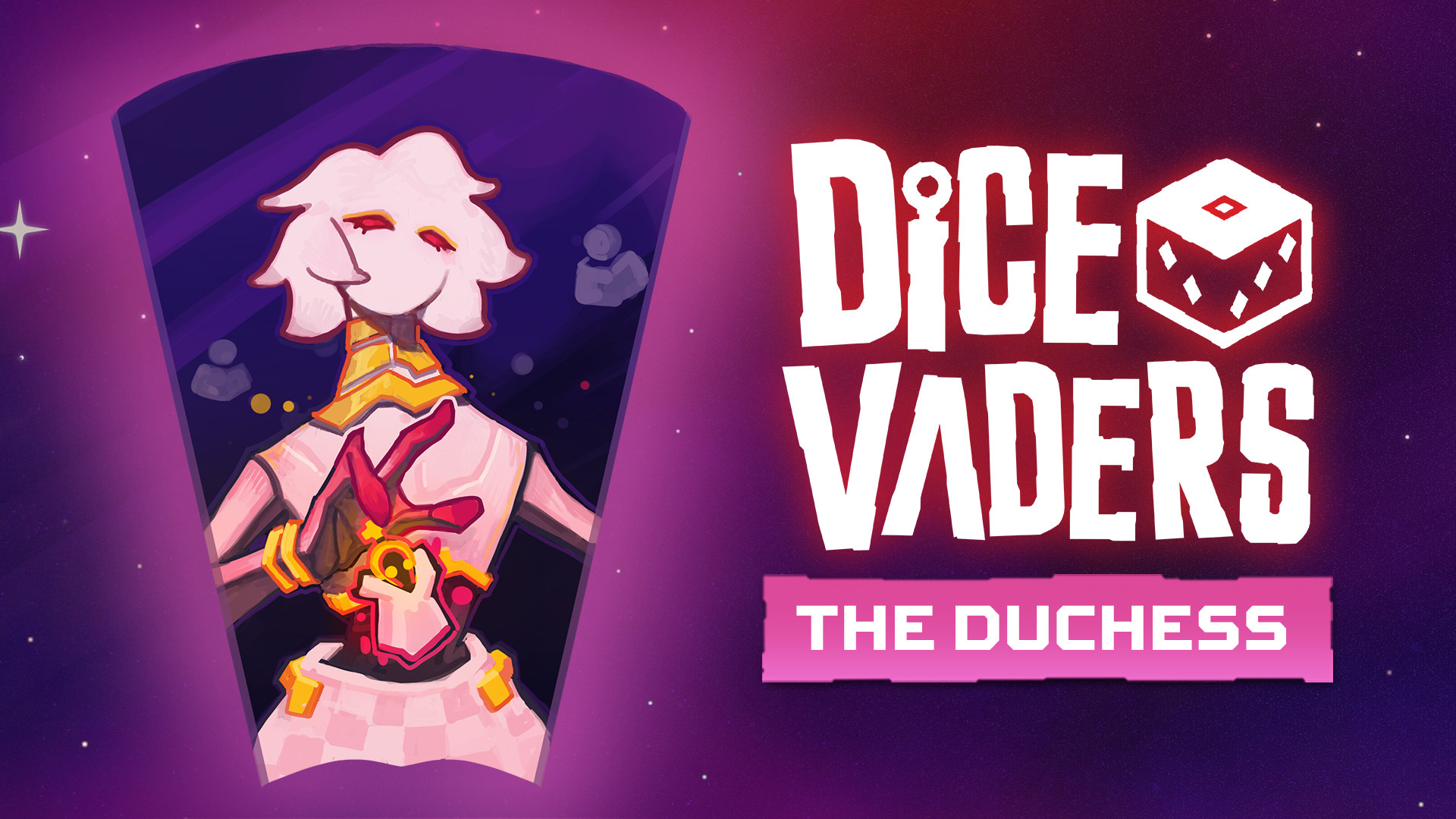
Art of War adds a fourth row and access to chess units. Spawning a non-Token grants it a shield and gives the column artifact 10 XP. The new row is room for a better arrangement, rather than a reason to buy every available body. Match the units' positional effects to the space your dice can reach.
En Passant rewards a non-Token death with Chrono and Mini-Dice. Stone Chisel improves Pawns and rewards their spawning. Usurper increases the STR from capturing or sacrificing, while Blitz Armor rewards a shield break with Budge and Mult. Fortress responds to non-Token spawns with tiles and strength. Tableflipper makes bought or newly spawned units part of a bottom-row arrangement at turn start.
That last effect can change a carefully constructed board. Recheck positions after a spawn and before a launch. The attractive combination is repeatable spawning plus an army that uses the resulting space and shields. The danger is adding so many pieces that your directional or row-dependent units lose their intended recipients.
Exalted: level-up activations have a boundary

Divine Touch triggers artifacts of level three or below when they level up. Base Dice triples also provide 10 XP to every artifact. This gives a larger match an additional role: it can progress several items toward a level-up activation. Before buying more XP, check which artifacts are still eligible.
Dark Medal extends Divine Touch to higher levels. Golden Halo improves scaling numbers on adjacent artifacts. Broken Lens allows pairs to count as triples, with the cost of starting cracked Base Dice. Dark Tower gives Repeat to the highest-STR unit on a triple. Galactic Web creates Web units and connects their scores to artifact XP.
Plan for the eligibility boundary instead of treating every level as an automatic repeat trigger forever. A strong early artifact can still be valuable after crossing the boundary, but its future XP has a different immediate payoff unless you have Dark Medal. With Broken Lens, budget the resources needed to handle cracked dice before relying on corrections.
Hex Prince: collect Honey with a purpose

Honeycomb creates Honey in all columns. Base Dice collect it, and each collection supplies a dollar and 10 XP to that column's artifact. This makes a launch a choice about income and artifact growth as well as attack. Useful targets across several columns can turn varied rolls into acceptable outcomes.
Flying Stinger rewards the last Honey collected in a column with money and army strength. Flower Pot respawns Honey on triples and improves shop rarity temporarily. Royal Jelly connects Honey to Mini-Dice and lets those dice collect it. Apiary spawns Worker Bees at turn start. Hot Buzz improves a random unit when Honey is collected, and Sugar Cube adds Base Dice power to that collection.
Decide which columns still have Honey and which collections supply the most useful payoff. Extra income needs shops where you can spend it, and XP needs artifacts you intend to retain. A productive Hex Prince board connects collection to the next improvement instead of treating the cash counter as an end in itself.
Blood Beast: destruction becomes Rage and XP
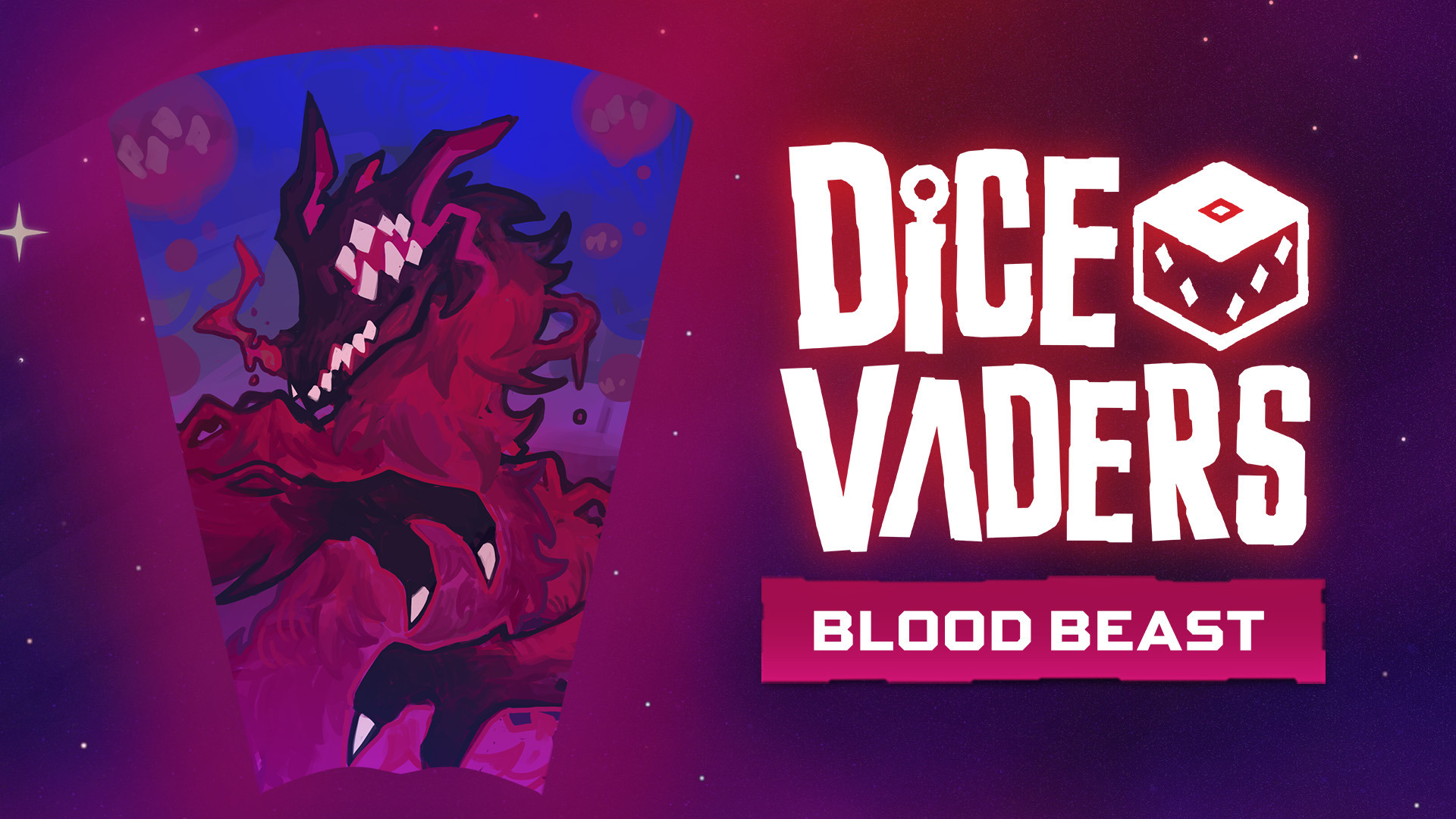
Insatiable Curse awards one Rage and 10 XP to every artifact when a non-Token unit is destroyed. When Rage reaches the Heart count, BEAST MODE begins. The announced mode adds one Base Dice power, rolls Base Dice automatically, removes the Heart cost of cursed shop items and grants Blood Sacrifice. After three turns, Rage returns to zero.
Meat Stick improves all units after a column score, with the STR amount tied to Dice Power. Rage Virus rewards Base Dice scoring with Mult and a further multiplier in BEAST MODE. Two Wolves doubles unit STR gains during the mode. Blood Clot spawns a strengthened Hemocyte, while Lizard Tail can absorb a would-be Heart loss once. Mark of the Beast forces sixes in the mode while removing its extra Dice Power.
Prepare the board for the mode you are taking. Mark of the Beast makes column six a deliberate commitment, and automatic dice change how much a precise-roll plan can rely on manual control. Blood Beast is particularly relevant to Doomed World, where the developer recommends exploiting destruction XP to help rebuild.
Overseer: combine engines, then pay for the speed
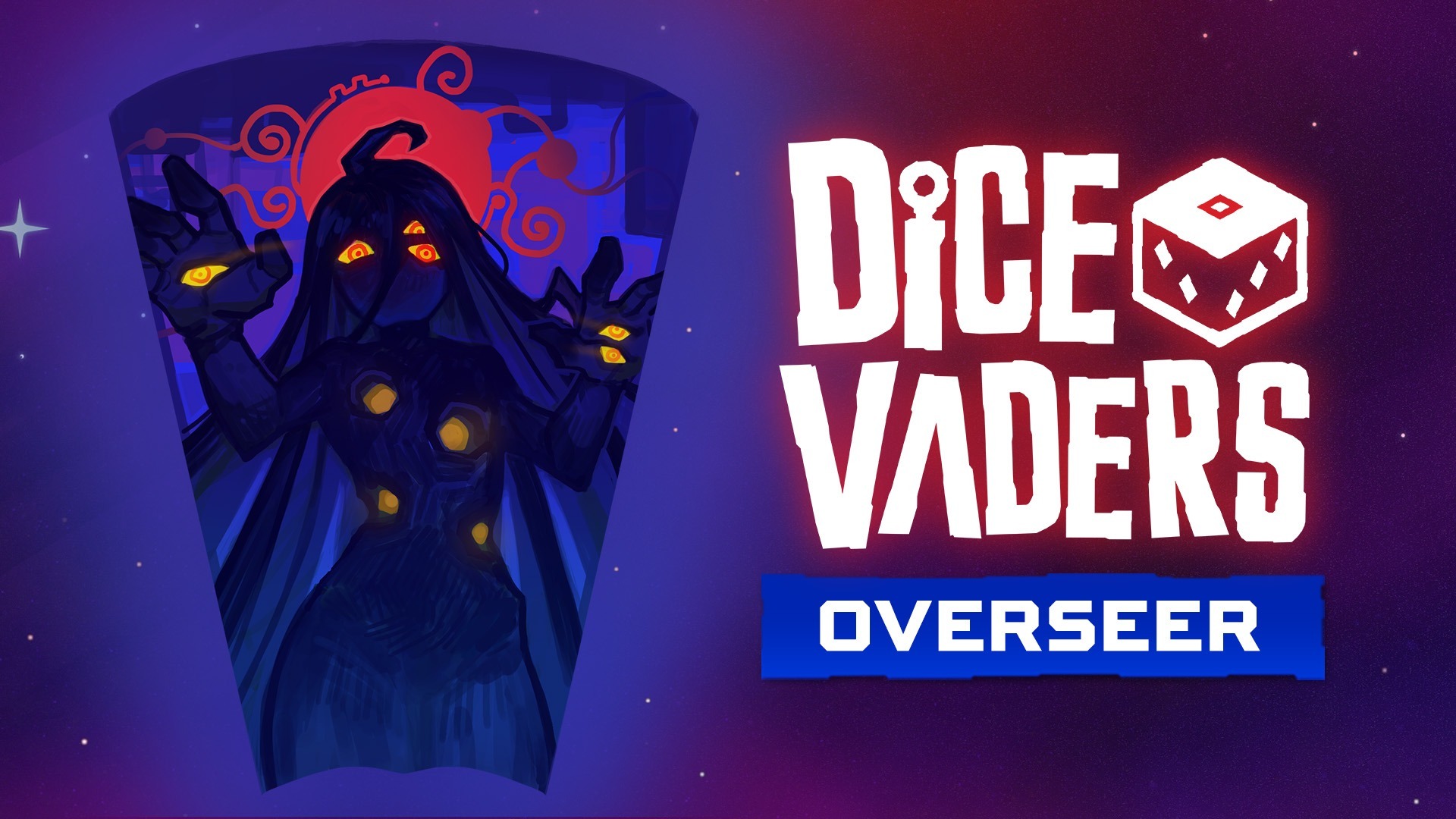
Convergence combines the starting abilities of two commanders. The selection offers one from each side of Overseer, and the available choices vary between runs. The tradeoff is faster Target Defense growth. Two appealing kits do not remove the need to produce attack early enough to survive that curve.
Choose a pair whose ordinary actions overlap. If one kit rewards an action that the other helps produce, your early purchases can support both. If they require incompatible placements or opposite resource habits, you may end up funding two unfinished engines. Evaluate the offered pairing before buying into an elaborate plan copied from a different run.
An Overseer opening should have a concrete next-turn improvement. Favor an item that already uses both kits, or immediately repairs the weaker link, over a distant perfect combination. Faster defense makes the cost of waiting more visible. Learn each individual kit first if you find it difficult to tell which half of the combination is doing the work.