Plan for the next army before the current one disappears
Doomed World changes the value of your purchases because the army is wiped after each Pilot. Players describe the modifier as destroying the units and replacing them with three Migos. Read the challenge text in your current run before applying the plan below. The important pressure is rebuilding: an enormous unit on the old board does not automatically supply attack after the transition.
The developer's response recommends Blood Beast, an economy that buys replacements and freezing useful offers before the end of the round. It also warns against rejecting all strength-gain artifacts just because the current units will be lost. Strong growth can help the new army recover. These are the foundations of a flexible plan, rather than a requirement to find one rare survivor unit.
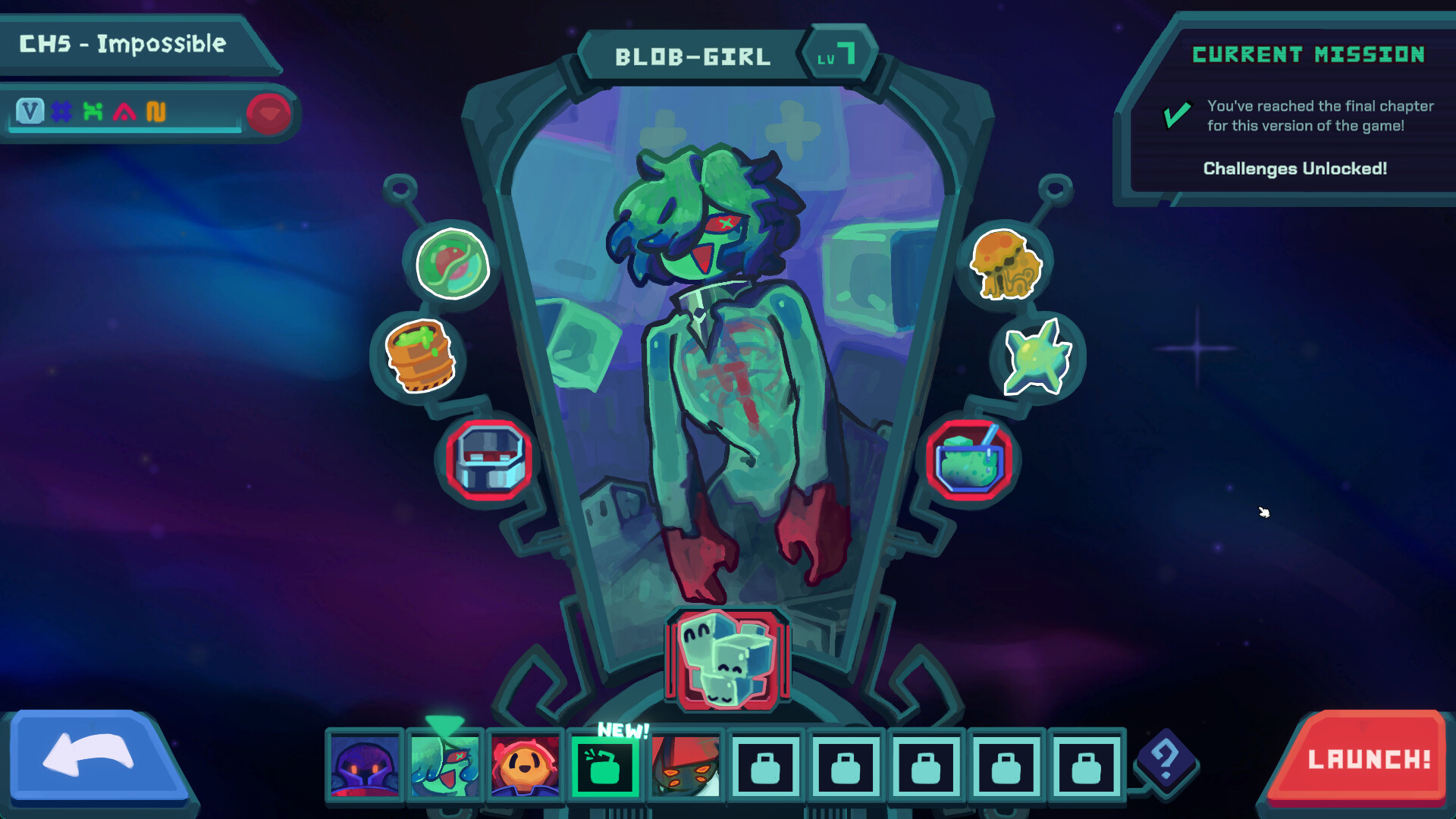
Why Blood Beast fits the modifier
Blood Beast's official Insatiable Curse gives one Rage and 10 XP to every artifact when a non-Token unit is destroyed. The developer specifically identifies the cataclysm XP as a significant advantage in this challenge. The wipe can therefore progress the retained artifact engine while removing the army it supported.
Do not collapse that into a promise that every death gives the same reward. The starting perk specifies non-Token units, and the mode state has its own behavior. Keep track of which units qualify, what your current artifacts gain and what the replacements can use. A Token-based strategy and a non-Token destruction strategy may share a theme while rewarding different events.
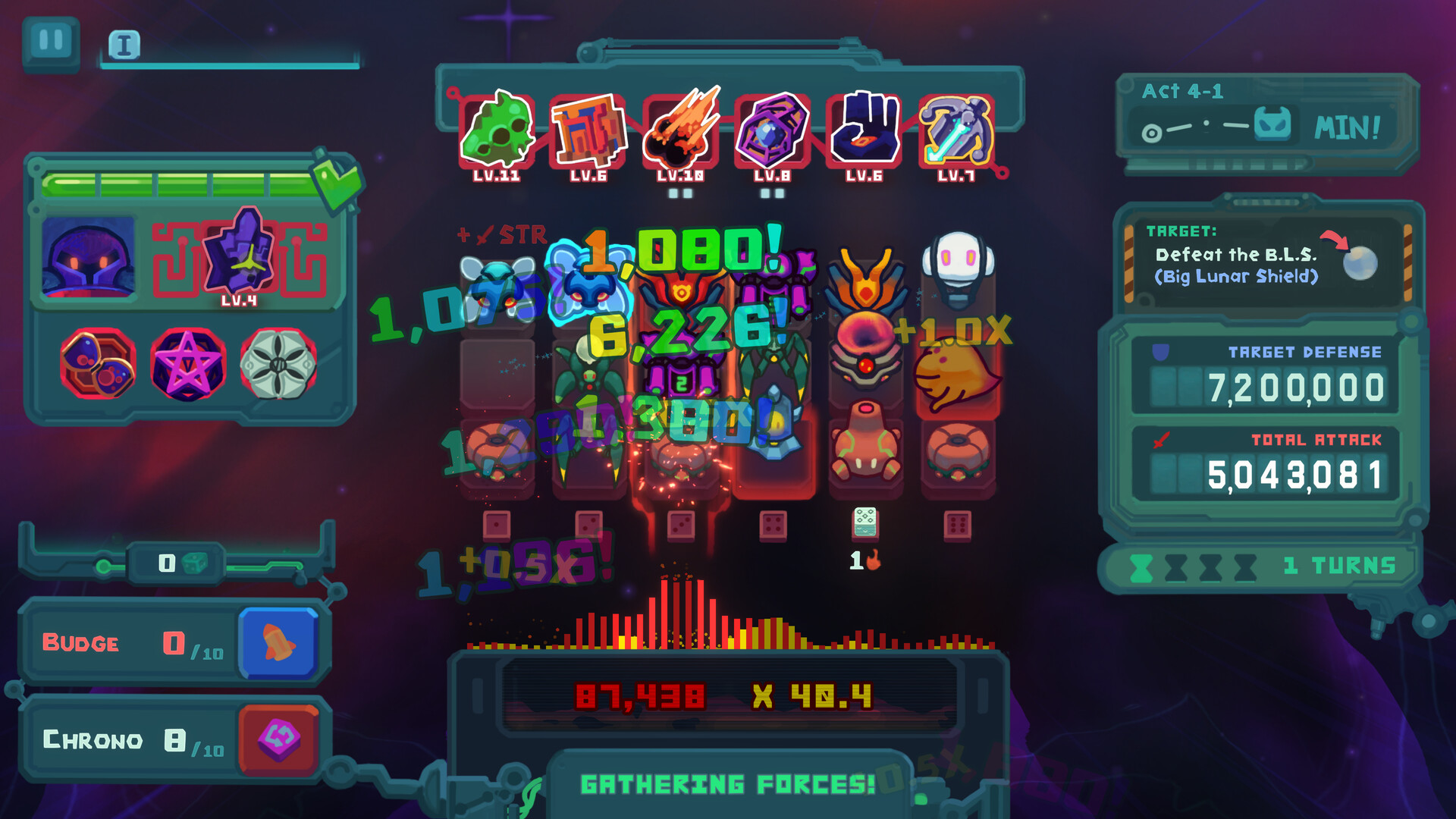
BEAST MODE begins when Rage reaches the Heart count. It changes the Base Dice, makes them roll automatically and alters cursed-item costs. Plan the new board around the mode that will actually be active after the transition. A rebuild dependent on precise manual rolls can have a different risk than one whose first available dice already reach meaningful units.
Freeze a replacement before the last shop disappears
When a useful unit appears near the end of a round, preserve the offer instead of buying it only to lose it in the approaching wipe. The developer points out the right-click shop freeze as a way to save that unit for the next round. This turns a concrete visible offer into a rebuilding option.
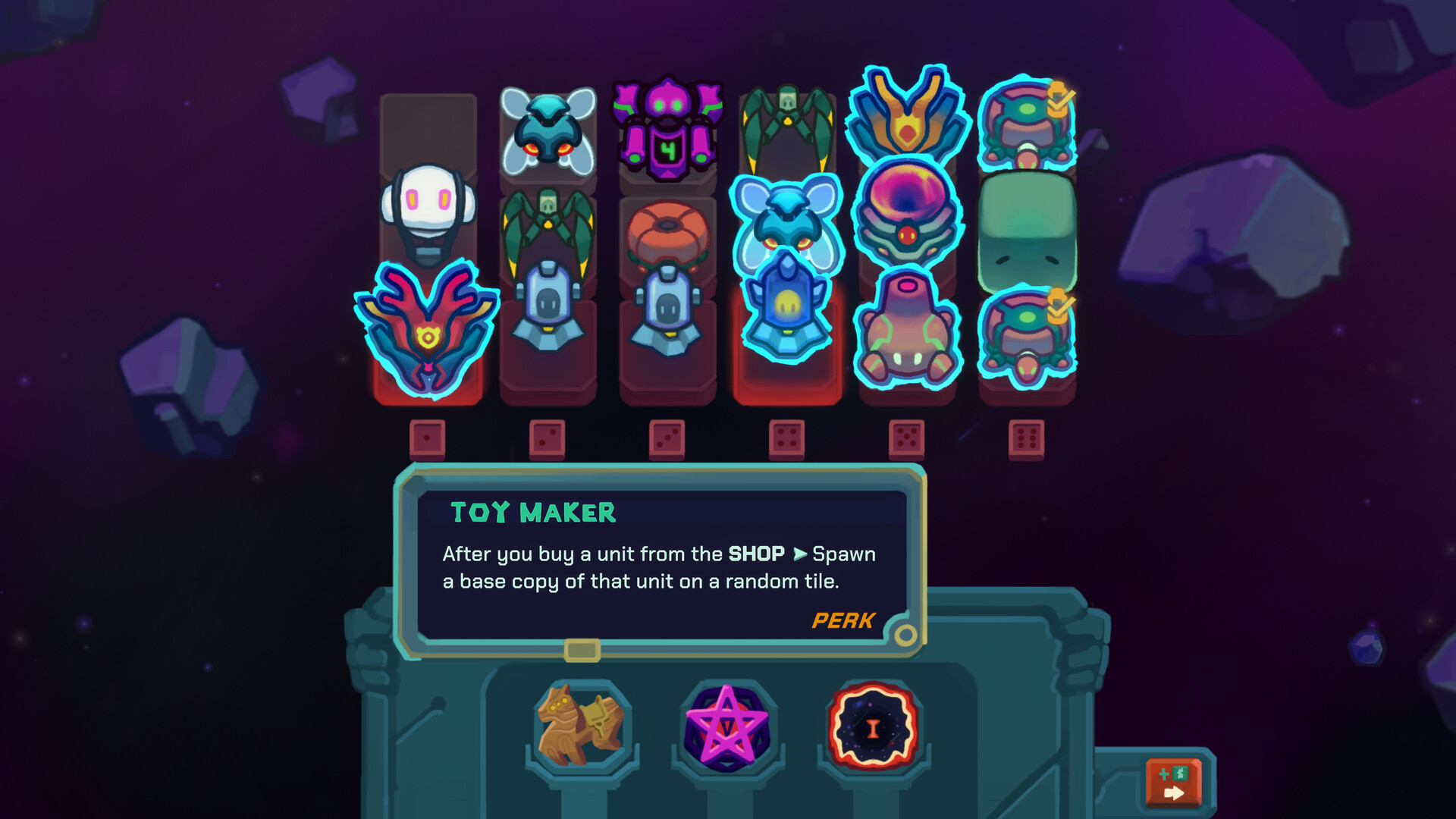
Choose a replacement for a role, not just a rarity. A generator can start the new scoring chain; a strong recipient can use a retained growth artifact; a resource unit can fund the next shop. If the artifact row already has plenty of Mult but little initial attack, another multiplier unit may not be the first purchase the new army needs.
Also retain the means to buy the offer. More refreshes help only if the next shop has purchasing power. Read income timing and the available rewards rather than assume unused ordinary cash will remain as a bank. Ordinary shop cash converts on departure; the resource plan needs to work under that rule.
Keep an economy that can see and buy new units
The developer recommends good money or reroll artifacts for catching up. Treat them as complementary resources: cash pays for the army, while shop access helps find a useful replacement. An excellent budget with no way to improve an unsuitable offer can stall, and a large Chrono supply with no budget can only show you what you cannot buy.
Before a Pilot, review both sides. Is there a saved unit worth buying afterward? Can the new shop be refreshed without spending the control needed to launch? Which retained effect turns the first purchase into further income or scores? A small engine that starts immediately can be more useful than a distant legendary combination.
Players report success with several income and shop-growth packages, including skip rewards and on-death rarity gains. These are community examples, not guaranteed selections or exact current variant values. Use the roles they fill to evaluate your offers. If a different artifact gives the buying power you need, the plan can work without copying the same names.
Strength growth is still useful after a wipe
Avoid discarding a strong growth artifact merely because it improved units that have now disappeared. The relevant comparison is how quickly it can grow the new army. An artifact that repeatedly gives meaningful strength to a useful replacement can close the next target's gap more quickly than a pile of fresh low-strength units.
The developer particularly calls out good single-target STR gain as helpful for catching up. A useful recipient matters: make sure the rebuilt board contains a unit that can receive the growth and score. Do not buy a recipient in a column the available dice cannot reach, then expect the retained artifact level to solve access by itself.
Keep the early rebuilt board deliberate. Additional units can supply bodies for death effects and Rage, but they can also compete for random strength and activation benefits. Ask whether each purchase helps the next launch, advances the retained engine or finances another useful purchase. If it does none of those jobs, filling an empty tile can delay recovery.
Triggerability can make or break the retained engine
In the developer's recorded run, a placement mistake left Duoprism on Engi-89, which was not triggerable and could not be repeated. The developer explains that a different artifact recipient would have supplied more Mult. This is a concrete reason to inspect compatibility, rather than assume a repeated-trigger effect works on every item in the row.
After rebuilding, check the selected artifact, its position and its triggerability before investing more XP. A retained engine can be high-level and still inactive if the new arrangement no longer supplies its intended event. Correcting the recipient is often more useful than adding another upgrade to the mismatched pair.
Use the artifact guide to distinguish the artifact's event from its reward. A unit-death payoff, a column-score effect and a start-of-turn effect are different routes. The challenge removes one army; it does not make all retained routes equally easy to activate with the new one.
Survivor-unit reports are optional experiments
The thread includes a player's account of Warped Ghosts surviving the wipe and growing through sacrifice, plus a Warped Sponge alternative. Those observations depend on particular variants and timing. They are community-reported options to check in the current game, not the foundation of a guaranteed route.
Do not exhaust the shop resources looking for one of those units if the current offers can build a functioning replacement army. The developer's main advice remains economy, saved offers and rapid growth. A rare survivor can make the challenge easier when it appears, but a plan that cannot function until it appears leaves the rest of the shops unused.
Review each transition
Before the wipe, preserve a useful offer and the resources needed for the rebuild. Immediately afterward, buy a unit that fills the missing role, check the artifact arrangement and launch through the strongest available activation. Then use the result to identify whether the next shop needs more initial strength, more useful scores or renewed Mult.
If the rebuild fails, capture the post-wipe board rather than only the army that beat the previous Pilot. That screenshot shows the actual problem. A strong old army proves that the previous engine worked; it does not explain why its replacement could not start. Review the transition as its own sequence of choices, and improve the earliest step that left the new board unsupported.